

German Shepherd Puppy Price: What to Expect and How to Raise a Healthy Pup
The German Shepherd is one of the most trusted, intelligent, and loyal dog breeds in the world — a favorite for families, first-time owners, and working-dog enthusiasts alike. But before you bring one home, it helps to understand not just the German Shepherd puppy price, but everything that goes into raising one well: nutrition, grooming, training, and daily care. Here’s a complete, practical guide.
German Shepherd Puppy Price: What Affects the Cost
German Shepherd puppy prices vary quite a bit depending on a few key factors:
- Lineage and pedigree – Puppies from KCI-registered or imported bloodlines cost more than those without papers
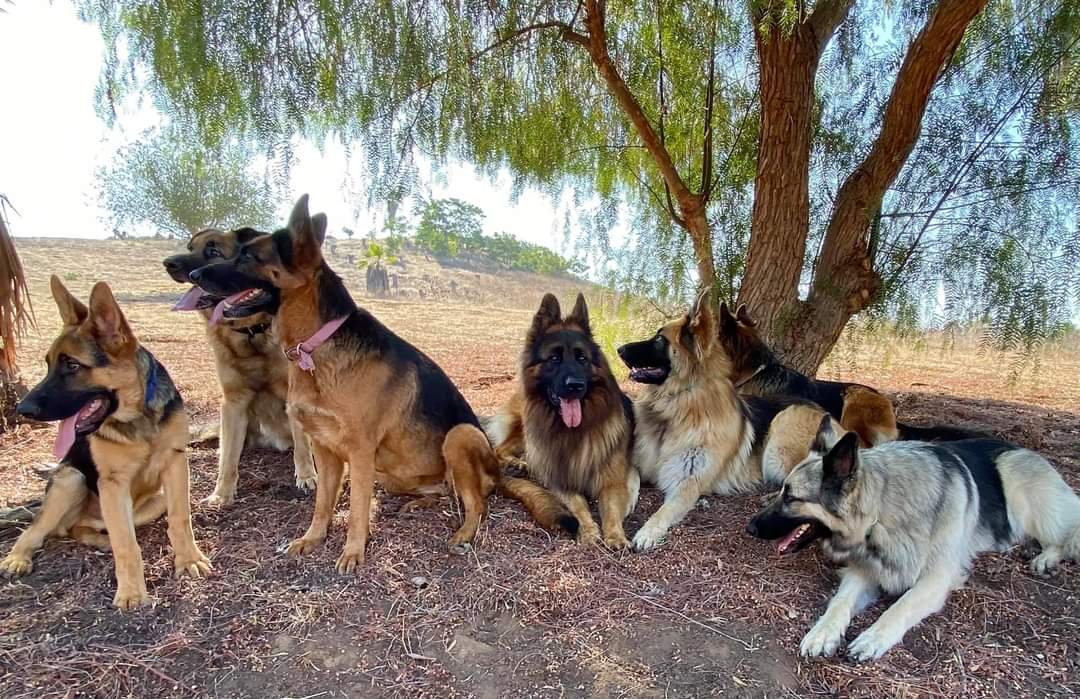
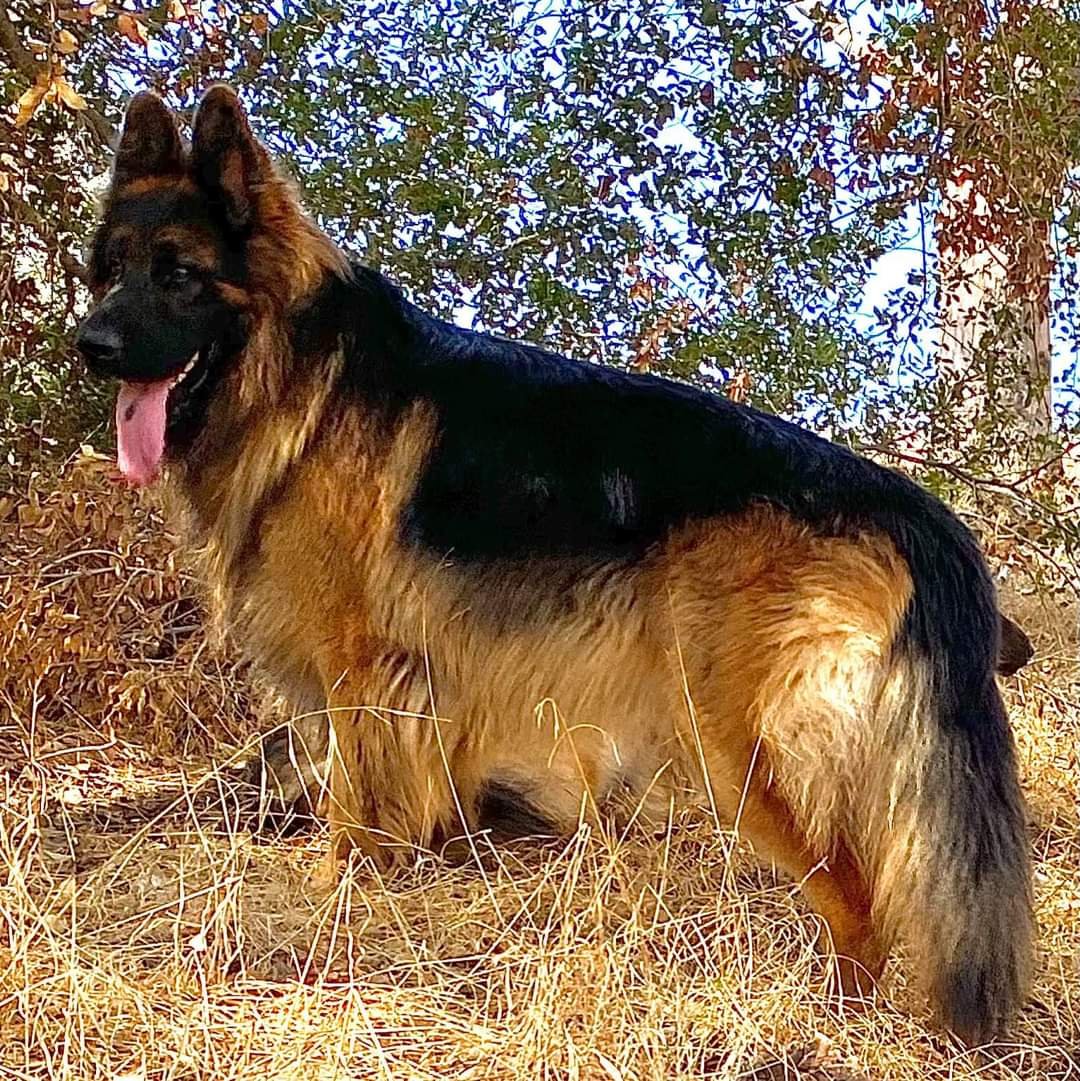
- Coat type – Show-line and long-coat German Shepherds often carry a premium over standard working-line pups
- Age at purchase – Very young puppies (6–8 weeks) are typically priced differently than pups a few months older who’ve already had initial vaccinations
- Breeder reputation – Established breeders who health-test their parent dogs and raise puppies in clean, socialized environments generally charge more — and it’s usually worth it
- Location and demand – Prices can shift from city to city based on local availability and demand
As a general range, pet-quality German Shepherd puppies (without full pedigree documentation) tend to be more affordable, while KCI-registered or show-quality puppies with strong bloodlines sit at the higher end. Always ask for vaccination records, deworming history, and — where applicable — registration papers before finalizing a purchase.
Beyond the upfront cost, budget for recurring expenses: food, vaccinations, deworming, grooming, training, and routine vet visits. German Shepherds are a large, active breed, and their lifetime care cost is often more significant than the initial puppy price.
Feeding Your German Shepherd Puppy: A Nutrition Guide
German Shepherds grow fast and need a diet that supports strong joints, muscle development, and a healthy coat. Here’s how to get feeding right at every stage:
8–12 Weeks
- Feed a high-quality puppy-specific food (not adult formula) — look for one with real meat as the first ingredient
- 4 small meals a day, spaced evenly
- Keep portions consistent; avoid overfeeding, which strains developing joints
3–6 Months
- Move to 3 meals a day
- Choose a large-breed puppy formula — these are formulated with the right calcium-to-phosphorus ratio to support controlled bone growth (regular puppy food can cause GSDs to grow too fast, raising the risk of joint issues later)
- Introduce protein-rich options like cooked chicken, eggs, and curd in moderation as supplements, not replacements
6–12 Months
- Transition to 2 meals a day
- Continue large-breed puppy food until closer to 12–18 months, when they can shift to adult formula
- Keep an eye on weight gain — a lean, well-muscled puppy is healthier long-term than an overweight one
General Feeding Tips
- Fresh water should always be available
- Avoid feeding table scraps, especially anything spicy, oily, or containing onion, garlic, or chocolate — all toxic to dogs
- Stick to a consistent feeding schedule; German Shepherds do well with routine
- Consult your vet about the right food brand and portion size for your specific puppy’s weight and activity level
How to Take Care of a German Shepherd Puppy
1. Vaccination and Vet Checkups
Follow your vet’s vaccination schedule closely, starting around 6–8 weeks. Regular deworming and periodic vet checkups in the first year are essential to catch any health issues early — German Shepherds can be prone to hip and elbow dysplasia, so early monitoring matters.
2. Exercise and Mental Stimulation
German Shepherds are working dogs at heart — they need both physical activity and mental engagement. Daily walks, play sessions, and puzzle toys keep them balanced. Under-exercised German Shepherds can become anxious or destructive, so consistency here really pays off.
3. Training and Socialization
Start basic obedience training early — this breed is highly intelligent and picks up commands quickly, but also needs firm, positive guidance to channel that intelligence well. Early socialization with people, other dogs, and new environments helps prevent shyness or over-protectiveness later on.
4. Grooming
German Shepherds shed year-round, with heavier shedding during seasonal changes. Brush a few times a week to manage loose fur and keep the coat healthy. Regular ear checks, nail trims, and occasional baths (not too frequent, to protect natural skin oils) round out a simple grooming routine.
5. Creating a Safe Home Environment
Puppy-proof your space by tucking away wires, shoes, and small objects they might chew. Give them a designated resting area, and be patient during the house-training phase — consistency and positive reinforcement work far better than scolding.
Final Thoughts
A German Shepherd puppy is a big commitment, but also one of the most rewarding you can make — few breeds match their loyalty, intelligence, and protective instinct. Understanding the true price of ownership, from the initial puppy cost to feeding and healthcare, sets you up to give your new companion the healthy, happy life they deserve. Take your time choosing a responsible breeder, invest in proper nutrition from day one, and the bond you build will be worth every bit of the effort.
- Namegerman shepherd puppy
- ColorTricolor
- VaccinationYes
- Weight5gk
- Foodall food
- Age0 - 3 Month
- Coat Length
- Short
- Medium
- Long
- Breedgerman shepherd puppy