
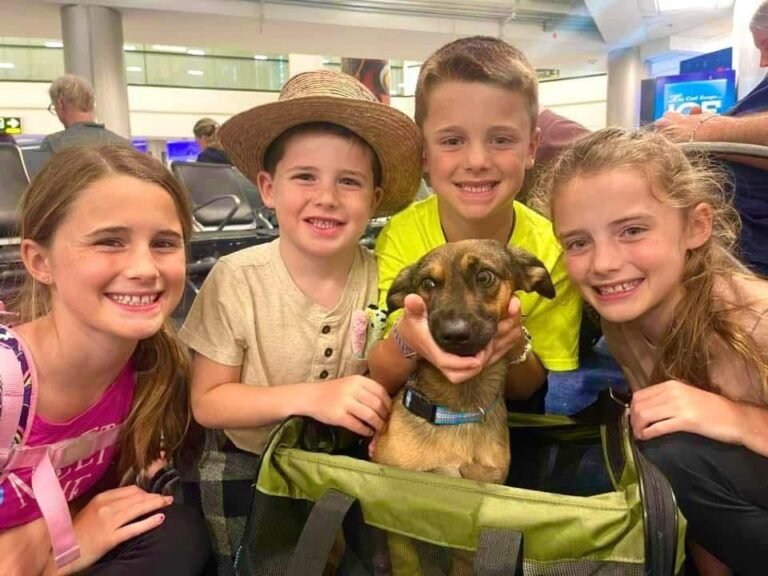
If you are considering puppy adoption in Bangalore, you are taking the first step towards welcoming a new companion into your home. Puppies can bring happiness, energy, and affection to family life. However, adopting a puppy is also a long-term responsibility that requires time, patience, and proper care.
Bangalore has people with different lifestyles, from families living in independent houses to individuals living in apartments. The right puppy for you will depend on your home, daily routine, experience with pets, and ability to provide food, exercise, training, and veterinary care.
Adoption can also give a puppy or rescued dog an opportunity to grow up in a safe and loving environment. Instead of choosing a puppy only because it looks cute, take time to understand its health, temperament, background, and needs.
In this guide, you will learn how puppy adoption works, where to begin your search, what questions to ask, how to prepare your home, and how to care for your new pet after bringing it home.
Why Consider Puppy Adoption in Bangalore?
Adoption is a meaningful way to welcome a dog into your family. Puppies may need homes for different reasons, and rescue organisations or animal welfare groups may help connect suitable adopters with dogs that need care.
Here are some reasons to consider adoption.
1. Give a puppy a loving home
Adopting a puppy gives it an opportunity to grow in a safe environment with regular meals, veterinary attention, training, and companionship.
Puppies need more than food and shelter. They also need gentle handling, positive experiences, and consistent routines to help them become confident adult dogs.
2. Consider rescued and Indie puppies
When exploring puppy adoption in Bangalore, consider Indian Indie puppies and mixed-breed dogs as well as specific breeds. These dogs can become affectionate companions, but their size, coat, activity level, and temperament may vary.
Avoid assuming that a particular breed or appearance guarantees a specific personality. Ask about each puppy as an individual and choose one whose needs fit your home.
3. Explore adoption instead of rushing to buy
If you are looking for a puppy for your family, adoption gives you another option to consider alongside purchasing from a seller.
It is important to choose responsibly, whether you adopt or buy. Avoid making an impulsive decision based on photographs, social media posts, or pressure to take a puppy immediately.
4. Make a long-term commitment
Dogs can live for many years. Before adopting, consider whether you can continue caring for your pet when your work schedule changes, you move homes, or family responsibilities increase.
Responsible adoption means planning for the dog’s entire life, not just the excitement of bringing it home.
Where Can You Adopt a Puppy in Bangalore?
There are several ways to begin looking for a puppy. Availability changes, so contact organisations directly to ask about current adoption opportunities and their procedures.
1. Animal shelters and rescue organisations
Animal shelters and rescue groups may care for abandoned, surrendered, or rescued puppies. Some also help arrange foster homes while animals wait for permanent families.
When contacting an organisation, explain your living arrangements, daily routine, and previous experience with pets. Ask about available puppies, health checks, vaccination records, and the adoption process.
Do not assume that every organisation has puppies available at all times. You may need to wait for a suitable match.
2. Independent rescuers and foster caregivers
Some puppies are cared for by individuals or foster families until permanent homes are found.
A foster caregiver may be able to explain how the puppy behaves at home, whether it is comfortable around people, and what routines it has started learning.
Ask for available medical records and details about the puppy’s background. If possible, arrange a meeting before making a decision.
3. Community adoption networks
Local community groups and pet-related online communities may share information about puppies needing homes. Treat these posts as a starting point rather than proof that the person posting is trustworthy.
Verify the puppy’s location, background, and medical information. Be cautious if someone refuses a reasonable meeting, cannot answer basic questions, or demands an immediate payment without verification.
4. Veterinary clinics and animal welfare contacts
Veterinary clinics and animal welfare contacts may know of rescued animals that need homes. You can ask whether they are aware of adoption opportunities or can direct you towards established rescue resources.
Always confirm the details directly with the person or organisation responsible for the puppy.
How Does Puppy Adoption Work?
The exact process varies between organisations and individual rescuers, but responsible adoption usually involves several basic steps.
Step 1: Assess your lifestyle
Before contacting an adoption group, think about the kind of care you can realistically provide.
Consider:
How many hours will the puppy be alone each day?
Can you manage feeding, toilet breaks, and training?
Is your home suitable for a growing dog?
Can you afford routine and unexpected veterinary expenses?
Will everyone in your household agree to the adoption?
Is pet ownership permitted under your housing arrangements?
These questions help you avoid choosing a puppy whose needs do not match your circumstances.
Step 2: Discuss available puppies
Contact the rescue organisation or caregiver and ask about the puppies currently needing homes.
Share information about your family, home environment, and experience with dogs. Be open about whether you have children, other pets, or long working hours, as these details can help identify a suitable match.
Step 3: Meet the puppy
If possible, meet the puppy in person before confirming the adoption.
Observe how it responds to people and its surroundings. Ask the caregiver about its eating habits, energy level, behaviour, and any known medical or special care needs.
A puppy may be shy in a new setting, so do not judge its entire personality from one short meeting.
Step 4: Review health records
Ask for any available veterinary records, including vaccination and deworming details, previous treatments, and information about known health concerns.
Arrange an examination with a qualified veterinarian. If the puppy has not completed its vaccination schedule, ask the veterinarian about safe outdoor activities and contact with other dogs.
Step 5: Understand the adoption terms
Ask about the organisation’s adoption procedure, any required forms, follow-up arrangements, and any adoption contribution or fee.
Read the terms carefully before agreeing. Keep copies of the documents and medical records provided to you.
Step 6: Prepare for collection
Arrange suitable transport and prepare a quiet, safe area at home. Have food, water, bedding, and basic supplies ready before the puppy arrives.
A calm arrival helps the puppy begin adjusting to its new surroundings.
What Should You Check Before Adopting a Puppy?
A puppy’s health and welfare should be more important than its appearance or breed label.
Check the puppy’s general condition
Look for signs such as comfortable breathing, normal movement, clear eyes, and a reasonably clean coat and skin. Notice whether the puppy is alert when awake and responds to its surroundings.
However, a puppy can have a health problem even if it looks healthy. A veterinary examination is essential and should not be replaced by a visual check.
Ask about vaccinations and deworming
Request records showing any vaccinations and deworming treatments already given. Ask which treatments are still due and discuss the schedule with your veterinarian.
Do not assume that a puppy is fully protected simply because someone says it has been vaccinated.
Ask about age and background
Find out the puppy’s approximate or confirmed age and, if known, whether it was raised with its mother and littermates.
Very young puppies require special care, and early separation can affect their development. If the age or history is unclear, seek veterinary advice before proceeding.
Understand its behaviour and needs
Ask whether the puppy has lived indoors or outdoors, how it responds to handling, and whether it has been around children or other animals.
These details can help you plan the transition, but remember that behaviour may change as the puppy settles into a new home.
Preparing Your Home for an Adopted Puppy
Puppies are curious and often explore by chewing, sniffing, and picking up objects. Preparing your home before adoption can prevent accidents and make settling in easier.
Essential supplies
Prepare the following items:
Suitable puppy food.
Food and water bowls.
A comfortable bed or resting area.
A collar or harness and lead.
Safe chew toys and play items.
Grooming supplies.
Cleaning products suitable for pet accidents.
A plan for veterinary visits and vaccinations.
Ask the caregiver what food the puppy currently eats. If you need to change its diet, transition gradually and seek veterinary advice if the puppy has digestive problems.
Make your home safe
Keep medicines, cleaning chemicals, electrical wires, small objects, and harmful foods out of reach. Secure balconies, windows, stairs, and any areas where the puppy could fall or become trapped.
Give the puppy a quiet place to rest. Avoid overwhelming it with too many visitors or unfamiliar experiences during the first few days.
If you live in an apartment, plan where the puppy will sleep, play, and go for toilet breaks. Check your building’s applicable pet rules and make sure everyone at home understands the plan.
Caring for Your Adopted Puppy
Once your puppy arrives, focus on building a healthy routine rather than expecting it to settle immediately.
Feeding and nutrition
Choose a complete and balanced food suitable for the puppy’s age and expected size. Follow feeding guidance from the manufacturer and your veterinarian.
Provide fresh water throughout the day. Avoid sudden diet changes and excessive treats. Never feed foods that are toxic to dogs, such as chocolate, grapes, raisins, onion, or garlic.
If the puppy refuses food, has repeated vomiting, develops diarrhoea, or appears unusually weak, contact a veterinarian promptly.
Veterinary care
Arrange a veterinary appointment soon after adoption, even if the puppy appears healthy.
Your veterinarian can review its records, assess its growth, discuss parasite prevention, recommend vaccinations, and advise on nutrition and future sterilisation.
Keep records of appointments and treatments so you can follow the recommended schedule.
Toilet training
Puppies need frequent opportunities to relieve themselves, particularly after waking up, eating, drinking, or playing.
Take the puppy to a suitable toilet area regularly and praise it when it gets things right. Accidents are normal during learning, so clean them up calmly and continue with a consistent routine.
Avoid punishment, which can make a puppy fearful and may interfere with training.
Exercise and socialisation
Puppies need age-appropriate movement, play, rest, and opportunities to explore. Avoid strenuous exercise, especially while they are growing.
Introduce your puppy gradually to household sounds, friendly people, and new experiences. Ask your veterinarian when it is safe to visit public areas, considering its vaccination status and local disease risks.
Use positive reinforcement to teach basic skills such as responding to its name, walking on a lead, and settling calmly.
How Much Does Puppy Adoption Cost in Bangalore?
Adoption costs vary by organisation and individual circumstances. Some organisations may request an adoption contribution, while other arrangements may differ. Confirm the details directly instead of relying on general estimates.
Even when the initial adoption cost is low or there is no fee, caring for a puppy involves ongoing expenses.
Plan for:
Food and water supplies.
Veterinary visits and vaccinations.
Deworming and parasite prevention.
Bedding, toys, and cleaning supplies.
Grooming and training.
Emergency medical care.
Preparing a budget before adoption helps you provide consistent care rather than making decisions only when an expense arises.
Common Mistakes to Avoid During Puppy Adoption
Keep these points in mind when looking for puppies for adoption in Bangalore:
Choosing a puppy based only on appearance.
Taking a puppy home without asking about its health.
Ignoring vaccination and deworming records.
Making payments without verifying the person or organisation.
Underestimating the time needed for training and supervision.
Assuming every puppy will be comfortable alone for long periods.
Adopting without considering future housing or financial changes.
A little research and preparation can make the adoption experience safer and more positive for both you and your puppy.
Frequently Asked Questions
1. Where can I find puppies for adoption in Bangalore?
You can contact animal shelters, rescue organisations, foster caregivers, and local animal welfare networks. Availability varies, so ask directly about current puppies and adoption procedures.
2. Is puppy adoption better than buying a puppy?
Adoption is a good option for people who want to give a dog a home. The right choice depends on your circumstances, but any decision should prioritise animal welfare, health, and responsible care.
3. Do adopted puppies come vaccinated?
Some puppies may have received vaccinations, while others may still need them. Always request written records and ask a veterinarian to confirm the next steps.
4. Can I adopt a puppy if I live in an apartment?
Yes, provided your housing arrangements allow dogs and you can meet the puppy’s needs. Plan for exercise, toilet breaks, training, supervision, and safe indoor space.
5. How much does puppy adoption cost in Bangalore?
Costs and adoption contributions vary by organisation or caregiver. Confirm the terms directly and budget separately for food, veterinary care, training, and other ongoing expenses.
6. What should I do after bringing an adopted puppy home?
Give it a quiet place to rest, maintain a consistent routine, arrange a veterinary examination, and begin gentle toilet training. Allow time for the puppy to become comfortable in its new environment.
7. Can I adopt an Indie puppy in Bangalore?
You can ask local rescue groups and animal welfare organisations about Indie puppies and mixed-breed dogs needing homes. Discuss each puppy’s health, temperament, and care needs before adopting.
Conclusion
Puppy adoption in Bangalore can be a rewarding experience when you prepare carefully and choose a puppy whose needs match your lifestyle. Start by contacting animal welfare organisations, rescue groups, and foster caregivers. Ask questions about health, age, behaviour, and available records before making your decision.
Prepare your home, arrange veterinary care, and plan for food, training, exercise, and long-term expenses. Most importantly, remember that adoption is a commitment to provide safety, patience, and companionship throughout your dog’s life.
With thoughtful preparation and responsible care, an adopted puppy can grow into a much-loved member of your family.
- NamePuppy adoption in Bangalore
- ColorTricolor
- VaccinationYes
- Weight5gk
- FoodRoyal Canin Maxi Puppy
- Age0 - 3 Month
- Coat Length
- Short
- Medium
- Long
- GenderMale